Friday, 19 March 2021

Integrating Computers into Learning

 Why do we need to bring devices into classrooms?

The Benefits of Devices In The Classroom

The current generation of students has grown up with technology and want to use it in every aspect of their daily lives — including school. They have an expectation that the same technology they use at home will be available at school too. Thanks to the mass consumerization of technology, students are now some of the most enthusiastic and savvy users of state-of-the-art mobile computing devices.

They keep their beloved mobile devices on them at all times and are not just using them to communicate with friends or download music. In fact, they use technology to study or work on homework assignments and they believe that mastering the latest technology skills will improve their educational and career opportunities.

A couple of years ago I spoke to my principal and we both recognized an opportunity to make the most of the technology already in students’ hands, allowing them to use the technology with which they feel most comfortable — their own laptops, smartphones and tablets — in class. Students are allowed to use their personal devices to take notes, collaborate on class assignments, conduct Internet research and use cloud-based apps.

  1. Student participation increases.
    Students like using their personal devices. In my classes, they become engaged in whatever it is that they’re doing with their personal devices — including classwork, which becomes even more interactive when everyone has access to technology. Kids these days live for technology. It only makes sense to utilize their love for technology in the classroom if you really want to get them engaged. 
    Room 22 students using computers to learn


  2. Learning becomes student-driven. Teaching in the digital age is becoming less about directly transferring knowledge and more about showing students how to sift through vast amounts of information to find the knowledge they need. BYOD has changed my teaching model. With the technology they are using for BYOD, students have more authority over their own learning. They can pose questions and do research instead of just listening to my lectures.
  3. Student collaboration and communication increases.
    Collaboration is key to engagement in today’s classrooms. My students use technology to communicate with their peers and with me. A BYOD initiative can provide students with far greater opportunities to interact virtually with teachers and work with other students on assignments, projects and content creation.

  4. Cost Savings.
    Although BYOD is really about delivering education in new ways, saving money is an important objective. With the students using their own mobile devices in the classroom, schools can save money on technology costs. My school does not need to spend a fortune trying to keep up with all the coolest technology that can be used for education these days if students are allowed to use their own mobile devices.   
  5. Personalized instruction.I use media to meet different learning styles. Then, all students can learn and excel at their own pace. By allowing my students to follow along with my interactive, multimedia lessons on their mobile devices, I give them more control over the pace at which they learn. Students spend countless hours outside the classroom on their mobile devices. So, why not use that to my advantage? I let them use their devices as engaging learning tools in the classroom. Then, they can easily bring their homework, educational games, projects with them. Everything they need to continue learning outside the classroom can be accessed anytime, anywhere, with the swipe of a finger. 


6. A new way of learning. Incorporating student-owned mobile computing devices into the curriculum has helped me transform my direct instruction methods into the project and inquiry-based learning opportunities. This pedagogical approach helps students learn by doing and gives them ownership of their education.


Monday, 7 December 2020

Term 4. Week 8. 2020 Team Folau Assembly

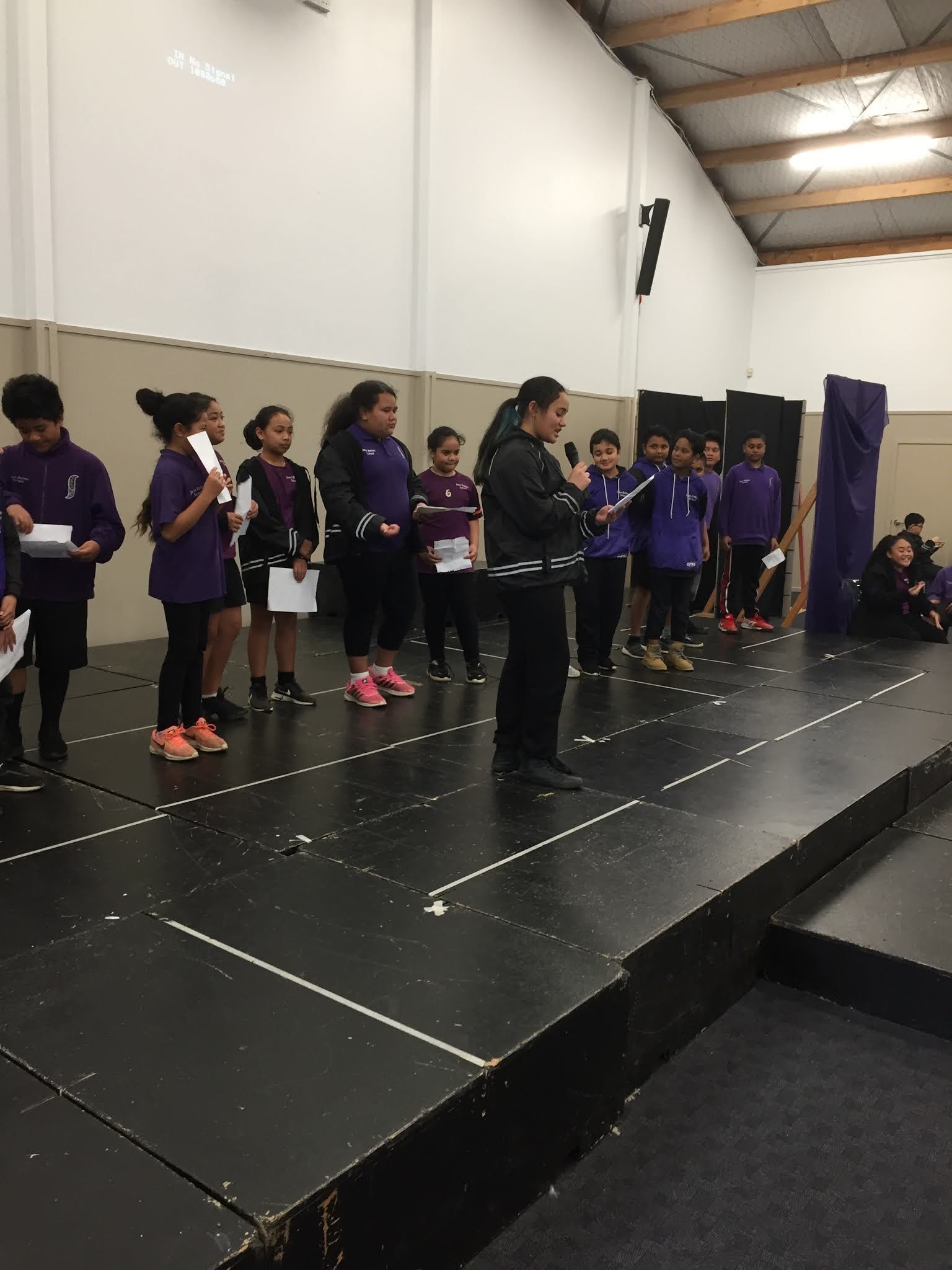
 Team Folau assembly, hosted by Room 22.


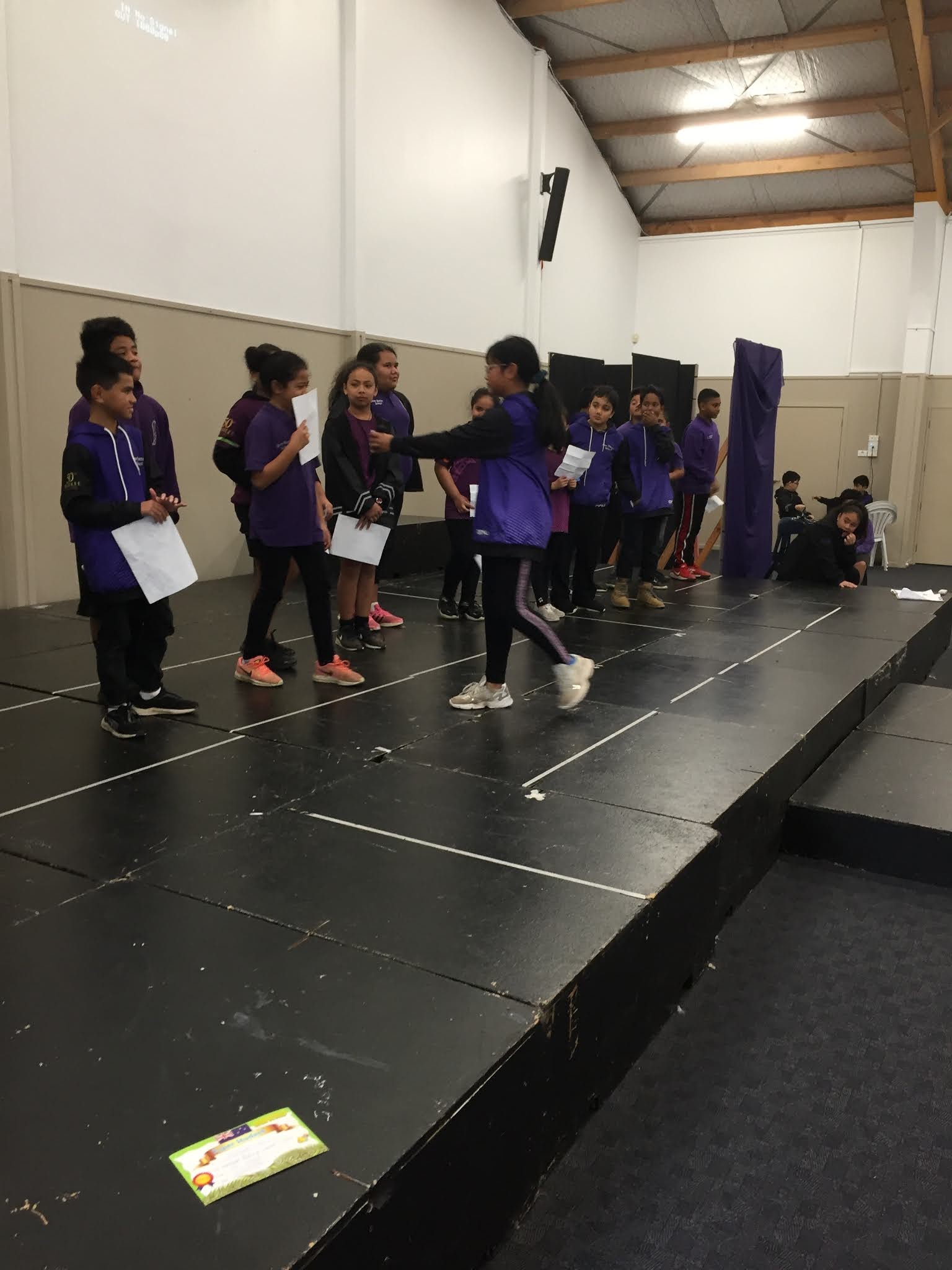
Assembly slides were prepared in collaboration. Room 22 students hosted the Team Folau assembly in collaboration. The students started off by listing all the preparation that they need to do for the assembly. The students formed numerous groups to share their duties and responsibilities.


Everybody started preparing once they knew about their roles. The students were putting lots of efforts in grooming the parts they have in the assembly. Everyone helped someone to get through the assembly day.


The assembly day was a great success. There were some challenges which were quickly handled and put under control by the responsible and quick thinking students of Room 22. The students worked for hand in hand to make the assembly a great success.

Thursday, 19 November 2020

Inquiry. Term 4. 2020

 THEME: Don’t worry, be happy

TOPIC: The Art of Piet Mondrian


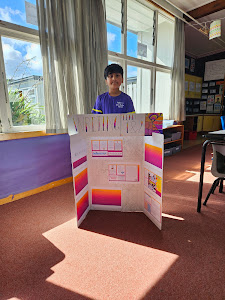
JustificationPiet Mondrian used colours and links to express his beliefs, feelings, and emotions about the world.

A Snapshot

Piet Mondrian was a Dutch painter who was born in 1872. At one time, Mondrian painted realistic landscapes, but as he painted more and more, his style began to change. He started to create abstract images.


How did he come to paint this way? Well, the more Mondrian looked at trees, buildings and vases, the more he saw their basic shapes and colours. You can try this, just squint your eyes while you are looking at something and all the details will start to disappear. You will see only shapes and colour… no real objects. This is what Mondrian did.


Eventually, Mondrian’s style consisted of geometric shapes and primary colours. Every shape can be created from the basic geometric shapes and every colour can be created from the primaries – red, yellow and blue.


Tuesday, 18 August 2020

Physical Education Dodge Ball 2020 Term 3 Weeks 1 - 5


DODGE BALL
Dodgeball is a team sport in which players on two teams try to throw balls and hit opponents while avoiding being hit themselves. 
The main objective in dodgeball is to eliminate all members of the opposing team by throwing the ball at them. Plays must dodge the ball to remain in the game and the team who manages to eliminate all of their opponent’s first are deemed the winners. Link: https://www.rulesofsport.com/sports/dodgeball.html


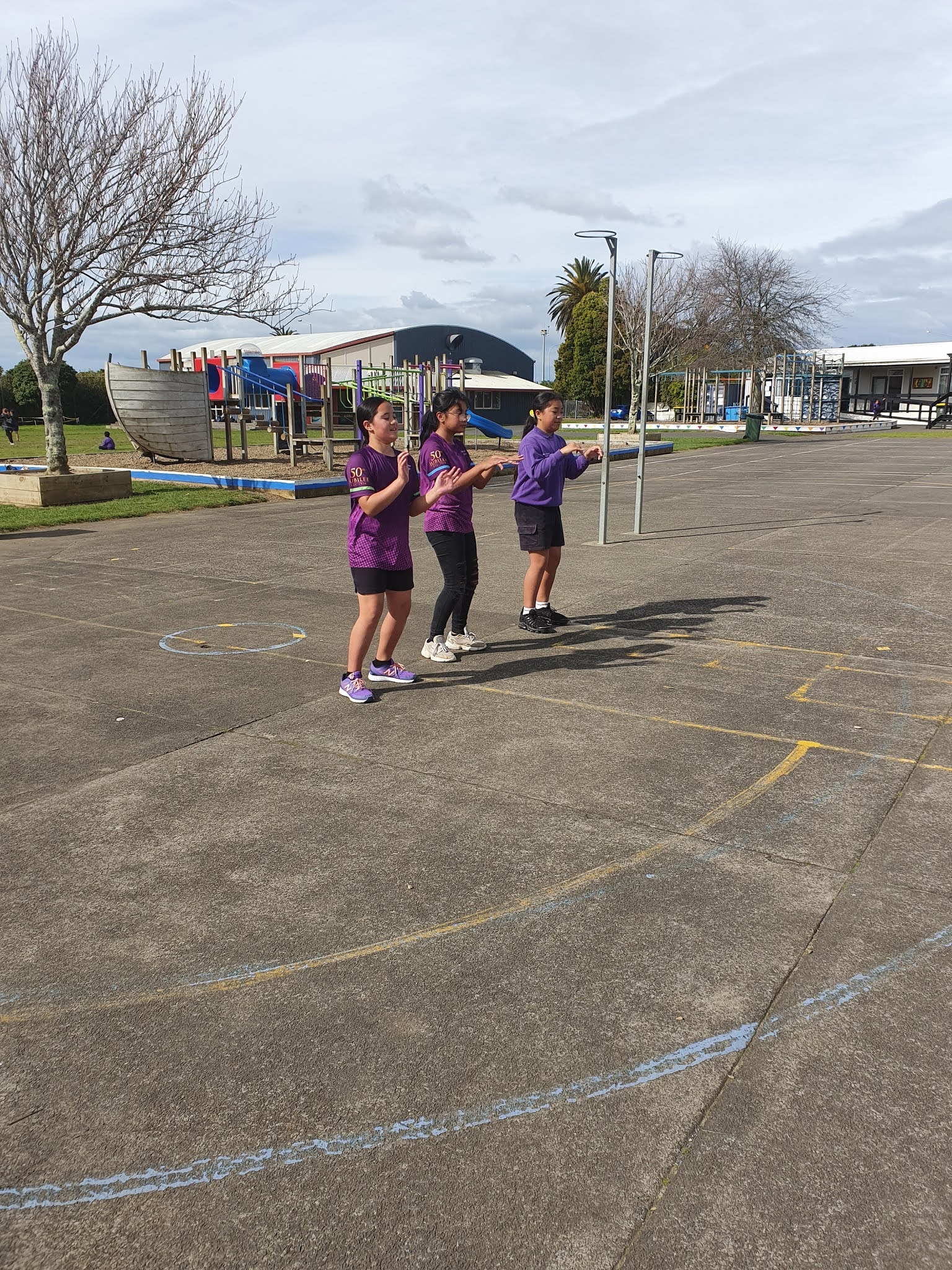
ABOVE: Team building. Students are learning the skills to work as a team.


ABOVE: Students are practising the skills of throwing and catching the ball.


ABOVE: Eying a target to throw the ball at.


ABOVE: Game Time. Putting skills into practice.


ABOVE: Game Time. Putting skills into practice.
 

Cook Island Language Week 2020

Kia orana

The theme for Cook Islands language week is"Kia pūāvai tō tātou Reo Māori Kūki ‘Āirani i Aotearoa" which in English means "That the Cook Islands Māori language may blossom throughout New Zealand."


This year Room 22 celebrated the Cook Island Language Week. Students decided to select various aspects of Cook Island culture and research about them.


Below are some of the work which students have done to mark the Cook Island Language Week. 

ABOVE: Alishba has drawn a beautiful Frangipani flower,
which is commonly found on Cook Island. 


ABOVE: Flower art is done by Alishba


ABOVE: This student has researched and explored multiple aspects of
Cook Island culture. 

ABOVE: This student has researched and explored multiple aspects of 
Cook Island culture. She has written a brief description to explain, 
what her drawings are about.

Tuesday, 11 August 2020

Folau Assembly


 ABOVE: Zoey, Kailah, Bella and Nivayah presenting their class learning in Inquiry.

ABOVE: Misionare, Moala and Jeremiah presenting the class learning in maths.

ABOVE: Maria, Inglera and Phoebe are getting ready to present the class learning in Reading

ABOVE: Maria, Inglera and Phoebe presenting their class learning in Reading.

ABOVE: Emma, Drae, Sarah and Atumalie presenting their class learning in writing. 

ABOVE: Emma, Drae, Sarah and Atumalie presenting their class learning in writing.

ABOVE: Pranav, Avishal, Lotima, Owais and Faraaz presenting their class learning in Blogger

Inquiry

 Celebrating My Learning. "Celebrating My Learning" could refer to recognizing and acknowledging personal achievements and growth ...