Showing posts with label Learning-focused culture. Design for learning. Teaching.. Show all posts

Monday, 29 May 2023

ICT - Stop Motion

 Teaching stop motion to students can be important for several reasons:

  1. Creativity and Expression: Stop-motion animation allows students to express their creativity and bring their ideas to life. It encourages them to think critically, problem-solve, and make artistic decisions. Through the process of planning, storyboarding, and executing their animations, students can explore their imagination and develop their artistic skills.

  2. Patience and Perseverance: Stop-motion animation is a time-consuming process that requires patience and attention to detail. Students need to carefully manipulate objects or characters frame by frame to create fluid motion. This form of animation teaches them the value of perseverance, as they must persistently work through the process, facing challenges, and making adjustments along the way.

  3. Collaboration and Teamwork: Stop-motion animation often involves teamwork, as students can work in groups to create a project. They learn to communicate, share ideas, delegate tasks, and work towards a common goal. Collaborative projects can foster a sense of camaraderie, encourage cooperation, and enhance social skills.

  4. Technical Skills: Stop-motion animation introduces students to various technical aspects of filmmaking. They learn about camera angles, lighting, composition, and storytelling techniques. Additionally, they can gain hands-on experience with camera equipment, tripods, and editing software. These technical skills can be valuable in the digital age and can be transferrable to other multimedia projects.

  5. Storytelling and Communication: Stop-motion animation allows students to tell stories visually. They learn to structure narratives, convey emotions, and communicate ideas effectively. By creating their animations, students can develop their storytelling abilities and explore different themes and concepts.

  6. Media Literacy: In today's media-rich world, it is crucial for students to understand how media is created and the techniques used to manipulate images. Teaching stop motion animation helps students become more media literate, enabling them to analyze and deconstruct animated films or videos, as well as develop critical thinking skills about the media they consume.

  7. Engaging and Fun Learning: Stop-motion animation is a hands-on and interactive activity that can make learning enjoyable for students. It combines art, technology, and storytelling, making it an engaging way to explore different subjects and topics. It can also be an effective tool for teachers to enhance student engagement and participation in the classroom.

Overall, teaching stop-motion animation to students provides them with a range of skills and experiences that can be valuable in their personal and academic development. It fosters creativity, patience, collaboration, technical proficiency, storytelling abilities, and media literacy, while also promoting enjoyment and active learning.

Thursday, 25 May 2023

Maths - Measurement: Mass, volume, and capacity

 Learning about volumes and capacities is important for several reasons:

  1. Practical Applications: Understanding volumes and capacities is crucial in many real-life scenarios. For example, in engineering and construction, knowledge of volumes is essential for calculating the capacity of containers, tanks, or reservoirs. In manufacturing, it helps determine the quantity of materials needed for production. In cooking, understanding volumes is important for measuring ingredients accurately.

  2. Problem-Solving Skills: Learning about volumes and capacities enhances your problem-solving abilities. It enables you to analyze and solve various mathematical problems related to measurement and estimation. This skill is valuable in fields such as engineering, architecture, physics, and economics, where accurate calculations and estimations are vital.

  3. Fluid Dynamics: Volumes and capacities are fundamental concepts in fluid dynamics. Understanding how different volumes of liquids or gases interact and flow is crucial in fields such as hydraulics, aerodynamics, and chemical engineering. It helps in designing efficient pipelines, understanding fluid behavior, and optimizing processes involving fluid flow.

  4. Environmental Considerations: Understanding volumes and capacities is relevant to environmental conservation efforts. It allows us to assess and manage the quantities of resources, such as water or fuel, used in various contexts. This knowledge helps in making informed decisions regarding sustainable usage and conservation practices.

  5. Spatial Reasoning: Learning about volumes and capacities contributes to the development of spatial reasoning skills. It enables you to visualize and comprehend the relationships between three-dimensional shapes and their sizes. This skill is beneficial in fields like architecture, design, and 3D modeling, where the ability to understand and manipulate spatial objects is essential.

  6. Estimation and Approximation: Knowledge of volumes and capacities helps in estimation and approximation tasks. By understanding the relative sizes of different shapes and containers, you can make reasonable estimates when precise measurements are not available. This skill is valuable in daily life situations, such as packing suitcases, storing items in limited space, or planning transportation logistics.

  7. Scientific and Engineering Literacy: Proficiency in volumes and capacities is important for scientific and engineering literacy. It allows you to understand and interpret technical documents, graphs, and diagrams that involve measurements, quantities, and spatial relationships. It enhances your ability to communicate effectively in scientific and technical contexts.

Overall, learning about volumes and capacities provides practical skills, enhances problem-solving abilities, and contributes to a deeper understanding of various disciplines. It plays a crucial role in everyday life, professional pursuits, and scientific literacy.

Tuesday, 11 August 2020

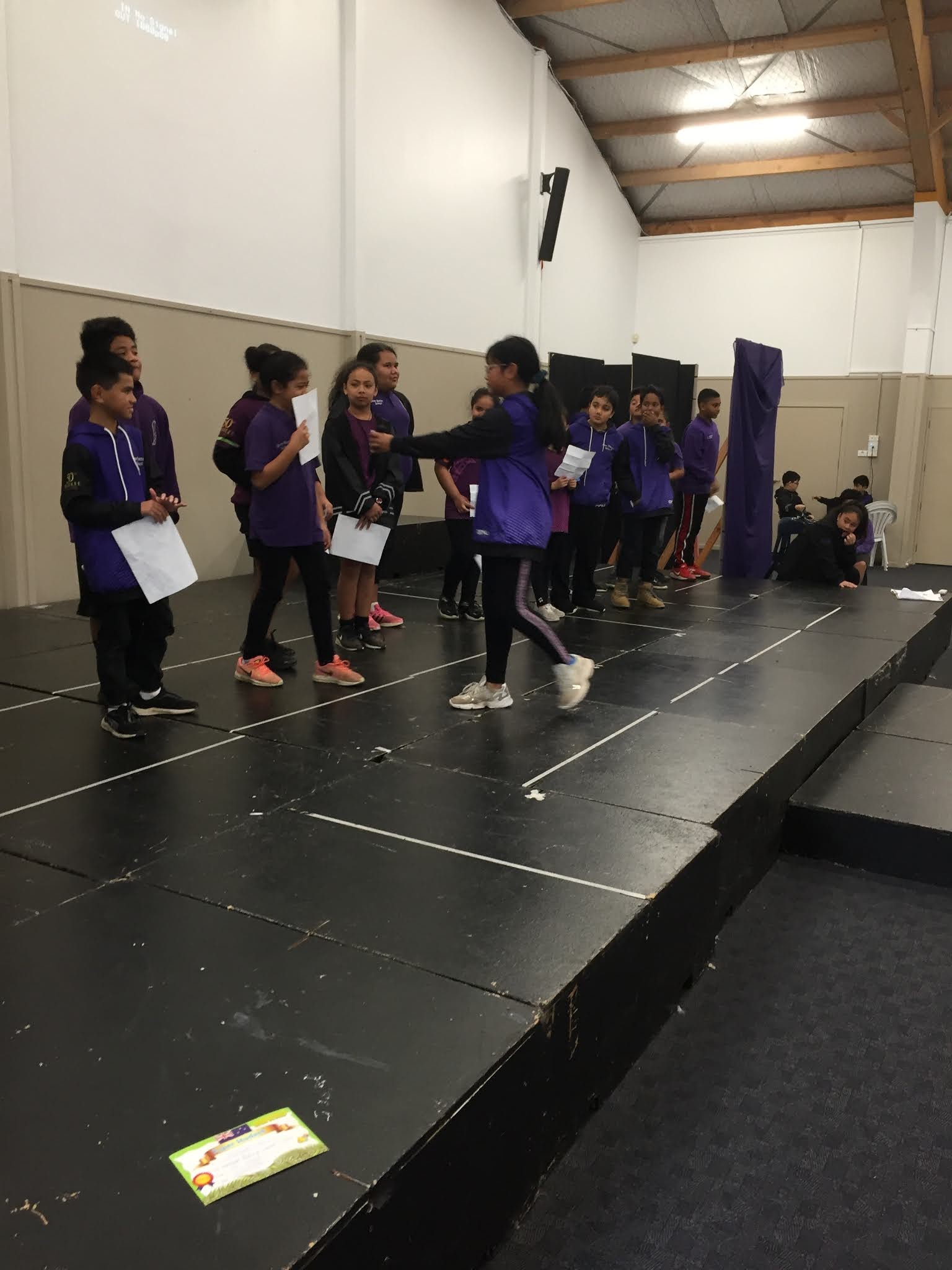
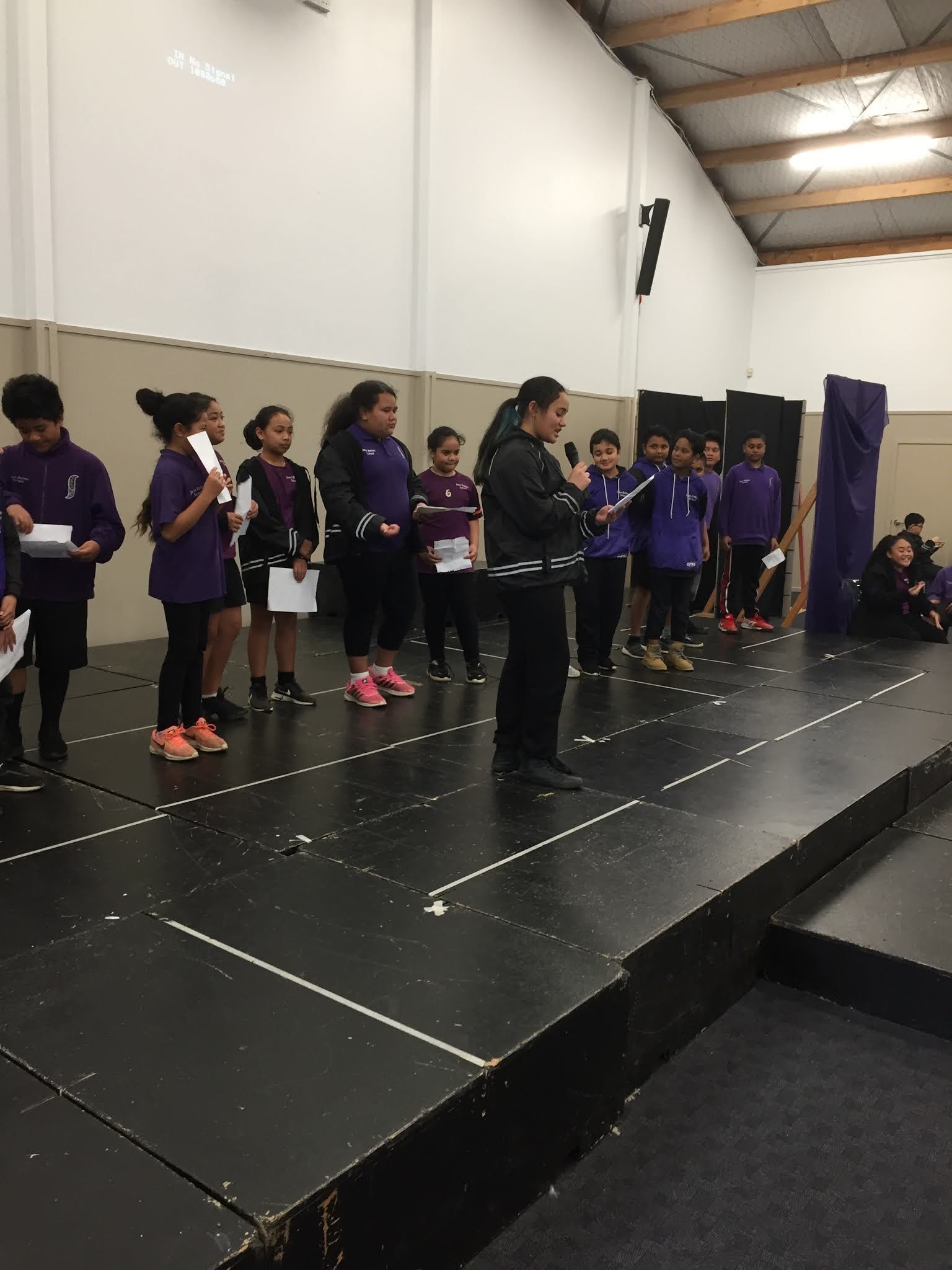
Folau Assembly


 ABOVE: Zoey, Kailah, Bella and Nivayah presenting their class learning in Inquiry.

ABOVE: Misionare, Moala and Jeremiah presenting the class learning in maths.

ABOVE: Maria, Inglera and Phoebe are getting ready to present the class learning in Reading

ABOVE: Maria, Inglera and Phoebe presenting their class learning in Reading.

ABOVE: Emma, Drae, Sarah and Atumalie presenting their class learning in writing. 

ABOVE: Emma, Drae, Sarah and Atumalie presenting their class learning in writing.

ABOVE: Pranav, Avishal, Lotima, Owais and Faraaz presenting their class learning in Blogger

Inquiry

 Celebrating My Learning. "Celebrating My Learning" could refer to recognizing and acknowledging personal achievements and growth ...